
No products in the cart.

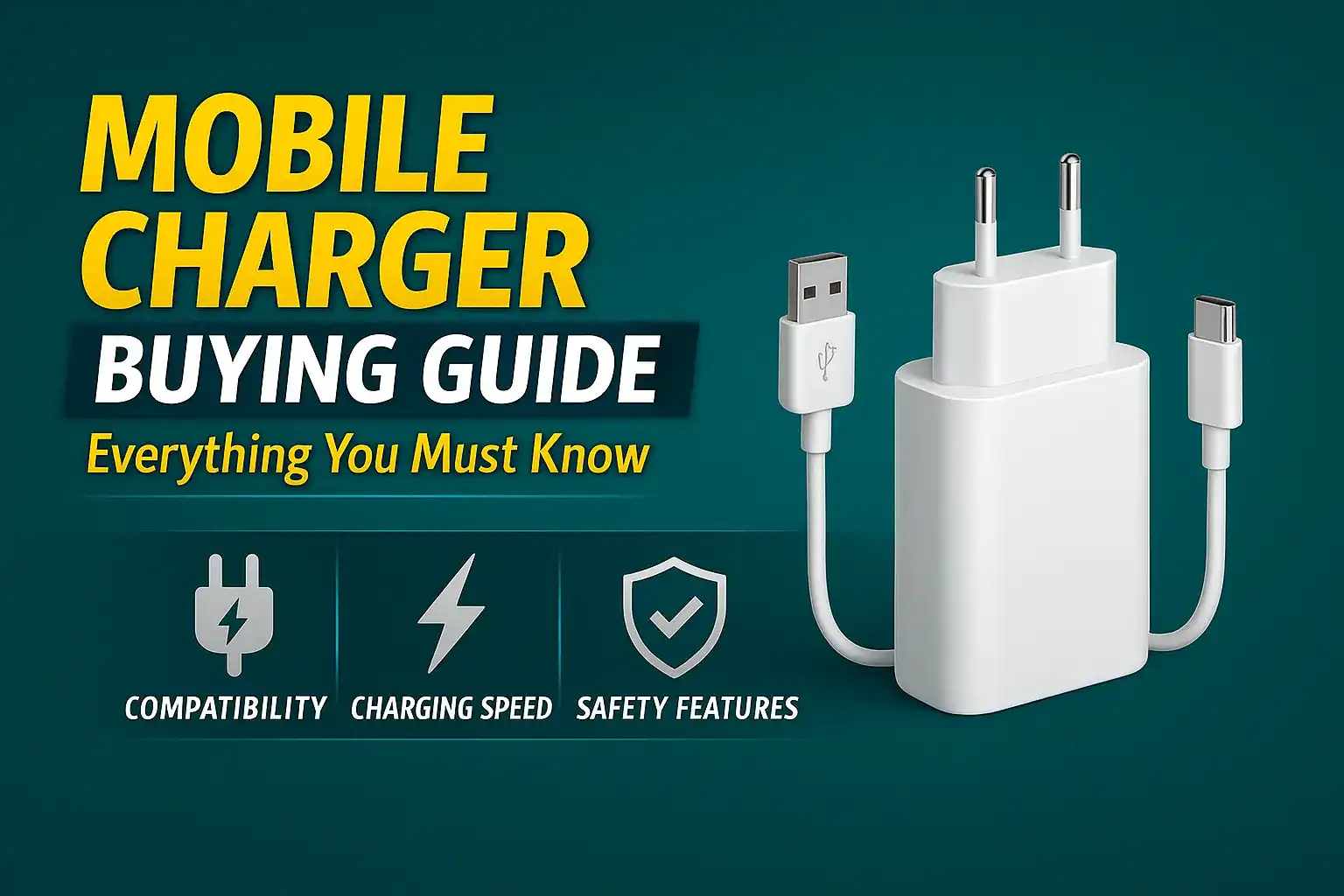
Mobile Charger Buying Guide – Everything You Must Know
By Zenkor
Introduction
A mobile charger looks like a simple accessory, but it affects your phone's battery health, charging speed and long-term performance. Choosing the wrong charger can reduce battery life, overheat your device or even damage the motherboard.
Modern smartphones come with different charging technologies and wattages, so understanding the basics is important. Here is a complete guide to help you choose the best and safest charger for your phone.
1. Understand Your Phone’s Charging Technology
Your phone supports a specific fast-charging protocol. If the charger doesn’t match it, your phone will charge slowly or heat up.
Common Charging Technologies
- PD (Power Delivery): iPhone, Pixel, Samsung (latest), Motorola, Nothing
- QC (Quick Charge): Xiaomi, Poco, older Android phones
- VOOC / SUPERVOOC / Dart: Oppo, Realme
- Warp / Dash / SuperVOOC: OnePlus
Always check which fast-charging technology your phone supports.
2. Choose the Correct Wattage
Wattage determines how fast your phone will charge.
| Phone Type | Recommended Charger |
|---|---|
| Basic Smartphones | 10W–18W |
| Mid-Range Phones | 20W–33W |
| Fast Charging Phones | 44W–55W |
| Flagship Phones | 65W–120W |
Higher wattage does NOT damage your phone. Your device limits the speed automatically.
3. Always Choose a BIS Certified Charger
In India, BIS ensures the charger is safe.
Benefits of BIS-Certified Charger
- Prevents overheating
- Protects from short circuits
- Maintains safe voltage
- Extends battery health
Avoid local or unbranded chargers as they may cause battery swelling, overheating or charging port damage.
4. Single-Port vs Multi-Port Chargers
Single-Port Chargers
- Good for personal use
- Best for fast charging one device
Multi-Port Chargers
- Charge 2–3 devices together
- Good for travel or family use
- Often support PD + QC together
5. The Cable Matters as Much as the Charger
Even the best charger will charge slowly if the cable is weak.
What to Check in a Cable
- Ampere rating: 3A = normal fast charge, 5A = super-fast
- Build: nylon braided cables last longer
- Type: USB-C to C (PD), USB-A to C (QC), USB-C to Lightning (iPhone)
Poor-quality cables heat up and damage your phone’s charging IC.
6. Common Charger Mistakes to Avoid
- Using cheap local chargers
- Using old chargers on new phones
- Using damaged or loose cables
- Charging with phone cover on (during fast charging)
- Heavy gaming or video editing while charging
7. Recommended Charger Brands
Always prefer chargers from trusted brands:
- Samsung
- Xiaomi
- Realme / Oppo
- OnePlus
- Apple
- Stuffcool
- Ambrane
- Boat (selected models)
8. Official Charger vs Third-Party Charger
Official Charger
- Best compatibility
- Accurate fast charging
- Safer for battery health
Third-Party PD/QC Charger
- Cheaper
- Multiple ports
- Equally safe if BIS certified
9. How Heat Affects Charging
Heat is the biggest enemy of battery life.
Overheating Causes
- Slow charging
- Battery health drop
- Laggy performance
- Charging IC damage
Final Recommendation
- Best overall: BIS-certified PD Charger (20W–33W)
- For fast-charging phones: Brand-specific fast charger (VOOC/Warp/SuperVOOC)
- For universal use: PD + QC multi-port charger
Conclusion
A mobile charger is not just an accessory—it's the lifeline of your battery. Choosing the right charger prevents overheating, improves battery health, and gives smoother daily performance.
Always check: charging technology, wattage, BIS certification and cable quality. With the right charger, your phone stays fast, healthy and safe.




Add comment