
No products in the cart.

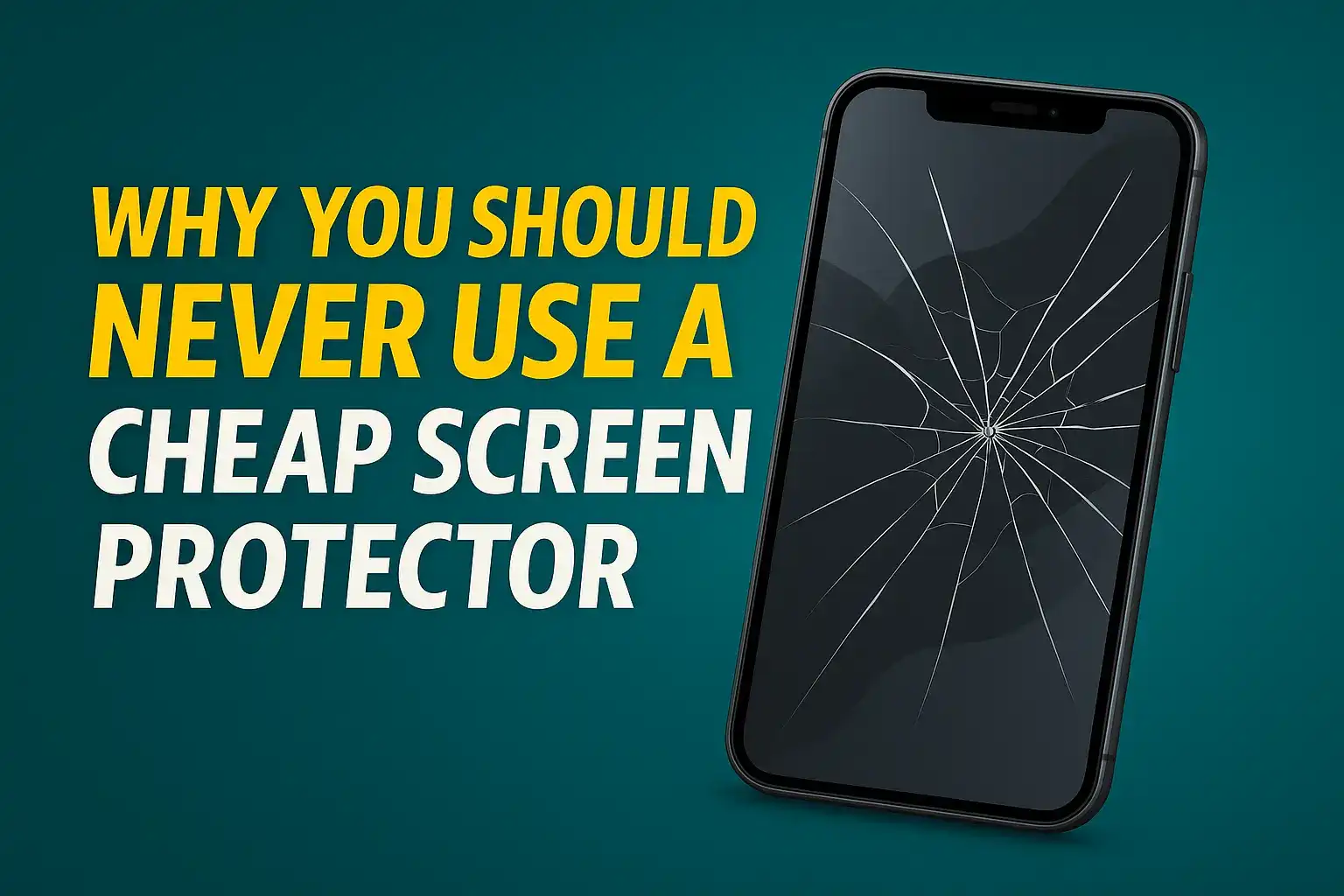
Why You Should Never Use a Cheap Screen Protector
By Zenkor •
Introduction
A screen protector is your phone display’s first line of defence. Choosing a very cheap, low-quality protector may save a few rupees today, but it often causes poor experience, frequent replacements and even potential damage to the actual screen. Below are the main reasons why cheap protectors are a bad idea — and what to use instead.
1. Poor Scratch & Impact Protection
Low-cost protectors are usually very thin or made from weak plastics. They scratch quickly and offer almost no shock absorption. That means your real screen remains vulnerable to drops and sharp objects.
2. Bad Optical Clarity & Colour Shift
Cheap films can reduce display clarity: colours look dull, whites may shift, and text loses sharpness. This degrades your viewing experience—especially on high-brightness or HDR displays.
3. Reduced Touch Sensitivity & Fingerprint Issues
Poor materials and uneven adhesives interfere with touch response and in-display fingerprint sensors. You may face delayed taps, missed gestures or repeated fingerprint failures.
4. No Oleophobic Coating (Constant Smudges)
Quality protectors have an oleophobic layer that resists oil and fingerprints. Cheap ones usually do not, so grease and smudges build up quickly, forcing frequent cleaning and reducing clarity.
5. Edge Lifting, Bubbling & Poor Adhesion
Weak adhesives and poor cutting cause edges to lift, trap dust, and create bubbles. A lifted protector invites more dirt and must be replaced often — wasting time and money.
6. Yellowing & Material Degradation
Low-quality plastics can yellow, fog or become brittle with sun exposure, sweat and skin oils. Yellowed protectors look ugly and must be replaced frequently.
7. Harmful Adhesives & Residue
Some cheap protectors use poor adhesives or chemicals that leave sticky residue, stain the bezel or damage the screen’s oleophobic layer when removed.
8. Warranty & Service Complications
Cheap third-party protectors can complicate warranty claims. If a protector traps dirt or hides defects, service centres may delay or refuse warranty support until the accessory is removed and the device inspected.
9. False Economy
The first cheap protector may cost little, but repeated replacements, cleaning time, lower resale value and potential repair bills make it a false saving in the long run.
What to Use Instead (Smart Alternatives)
- Tempered glass (9H / full-adhesive / UV for curves): Best scratch and impact protection.
- Hydrogel / self-healing film: Flexible, good for curves and minor scratch self-repair.
- Privacy glass: Adds side-view privacy; may affect brightness and fingerprint performance.
- Check specs before buying: 9H hardness, oleophobic coating, correct fit for your phone model, and fingerprint compatibility.
Checklist: How to Choose a Good Protector
- Model-specific fit (curved vs flat).
- Material and hardness (9H for glass).
- Oleophobic coating advertised.
- Full-adhesive for curved screens.
- Installation accessories included (wipes, dust stickers, guide).
- Return or replacement policy from seller.
Installation & Care Tips
- Install in a dust-free area (bathroom after hot shower is a simple trick).
- Clean with alcohol wipe → microfiber → dust sticker before applying.
- Align carefully and press from centre outward to remove bubbles.
- Replace the protector every 6–12 months depending on wear.
Final Word
A screen protector is a small investment compared to a display replacement. Cheap protectors often mean poor clarity, worse touch experience and more hassle. Spending a bit more on a proper protector (correct type and fit) protects your display, improves daily use and saves money and time in the long run.
Rule of thumb: Don’t gamble with a cheap protector today — it may cost you much more tomorrow.

Add comment