
No products in the cart.

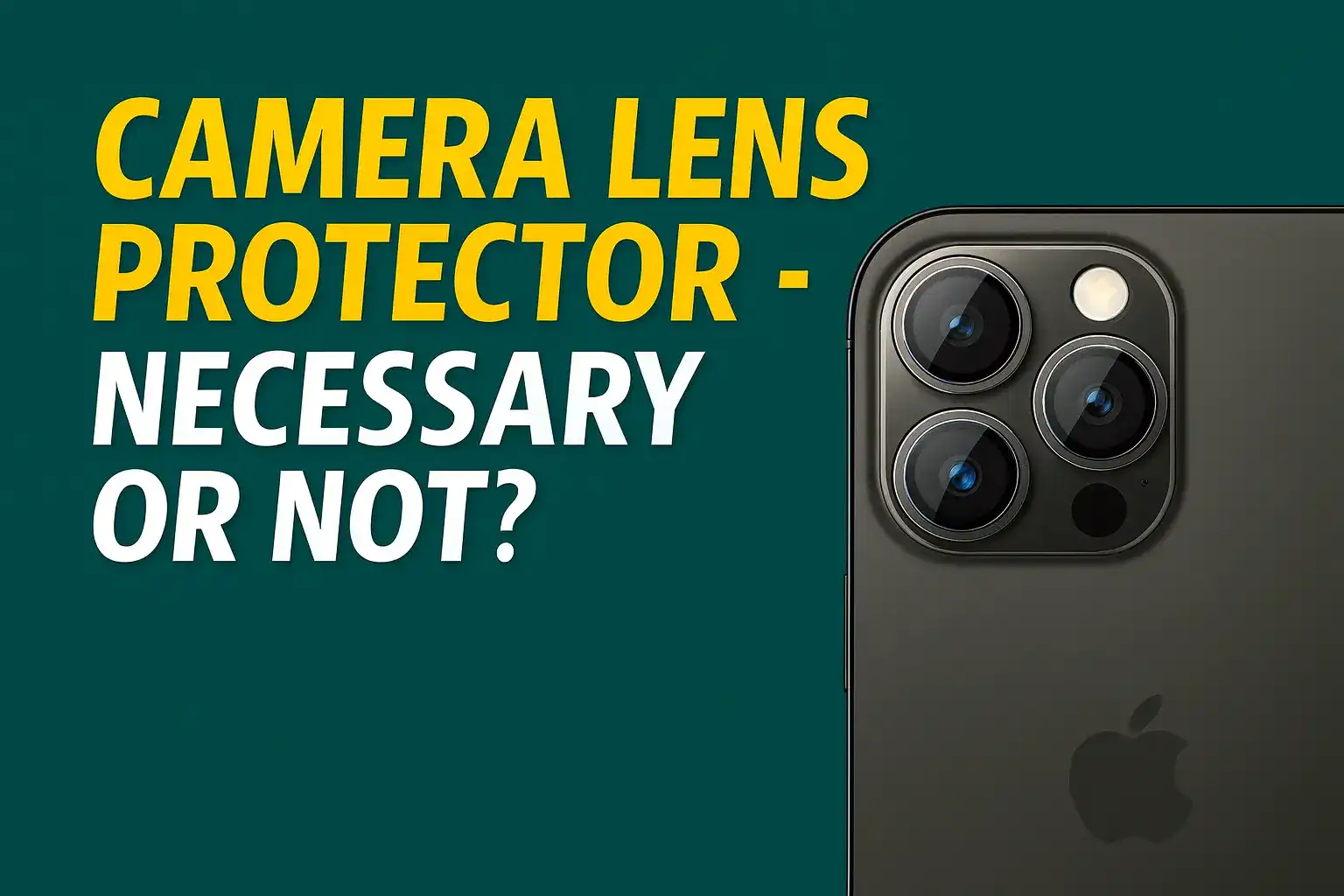
Camera Lens Protector – Necessary or Not?
By Zenkor • 2025
Introduction
Smartphone cameras have become extremely advanced. With higher megapixels, multiple lenses, and optical image stabilization, they can capture stunning photos and videos. However, camera lens surfaces remain exposed and can get scratched or damaged over time.
In this guide, we explain whether a camera lens protector is necessary, its advantages, disadvantages, and real-world usage tips.
What Is a Camera Lens Protector?
A camera lens protector is a small piece of tempered glass or film that sticks over the camera lenses on the back of your phone. Its purpose is to protect the lens surface from scratches, dust, oil and minor drops.
Do Smartphone Cameras Really Need a Protector?
Modern smartphone lenses are made of sapphire or highly durable Gorilla Glass. These materials are scratch-resistant to some extent, but they are not completely unbreakable.
So the question becomes: Is a lens protector necessary or just an extra accessory? Let’s break it down.
Benefits of Using a Camera Lens Protector
- Scratch Protection: Prevents keys, coins or hard objects from scratching the lens when placed inside pockets or bags.
- Dust & Dirt Barrier: Keeps fine particles away from the camera surface.
- Minor Impact Protection: Reduces the chance of minor chips or cracks from small drops.
- Easy Replacement: If the protector gets scratched, it’s cheaper and easier to replace than the original lens.
Possible Drawbacks
- Image Clarity Issues: Low-quality protectors can slightly reduce sharpness or cause glare in bright light.
- Lens Flare & Ghosting: Extra glass layer may reflect light, especially in sunset or strong lighting conditions.
- Installation Mistakes: Misalignment or dust under the protector can affect image quality.
- Extra Layer: Adds one more layer between the camera sensor and the scene — not always necessary.
Lens Protector vs No Lens Protector – Quick Comparison
| Aspect | With Lens Protector | Without Lens Protector |
|---|---|---|
| Scratch Protection | ✔️ High | ❌ Depends on lens material |
| Image Sharpness | ⚠️ Slight risk if protector is low quality | ✔️ Original clarity |
| Dust Protection | ✔️ Yes | ❌ No |
| Impact Protection | ✔️ Minor | ❌ Only internal protection |
| Replacement Cost | Low | High (lens replacement) |
When a Lens Protector Is Most Useful
- If you often carry your phone with keys or metal objects in pockets
- If you live in a dusty environment
- If you prefer maximum protection on all phone surfaces
- If you frequently drop your phone lightly
Situations Where It May Not Be Necessary
- If your phone has a thick camera bump that protects the lens already
- If you use a protective phone case that shields the camera edges
- If you rarely handle your phone roughly
- If you prefer maximum optical clarity without any extra glass
Important: Not all lens protectors are made equally. Cheap or poorly cut protectors can do more harm than good. Always choose a good quality one if you decide to use it.
Tips Before Using a Lens Protector
- Clean the camera surface thoroughly before applying
- Choose tempered glass over film for better durability
- Apply in a dust-free area
- Check for clarity and flare after installation
Conclusion
A camera lens protector is not strictly necessary for everyone, but it can be a useful accessory if you want extra protection against scratches, dust, and minor impact. If used carefully and with good quality material, it offers peace of mind — especially for phones with high-end camera systems.
However, if you prefer pristine optical clarity and rarely expose your phone to rough conditions, you may choose to skip the lens protector.
Final advice: Consider your lifestyle and handling habits before deciding. Protection is great, but image quality and proper installation matter too.




Add comment