
No products in the cart.

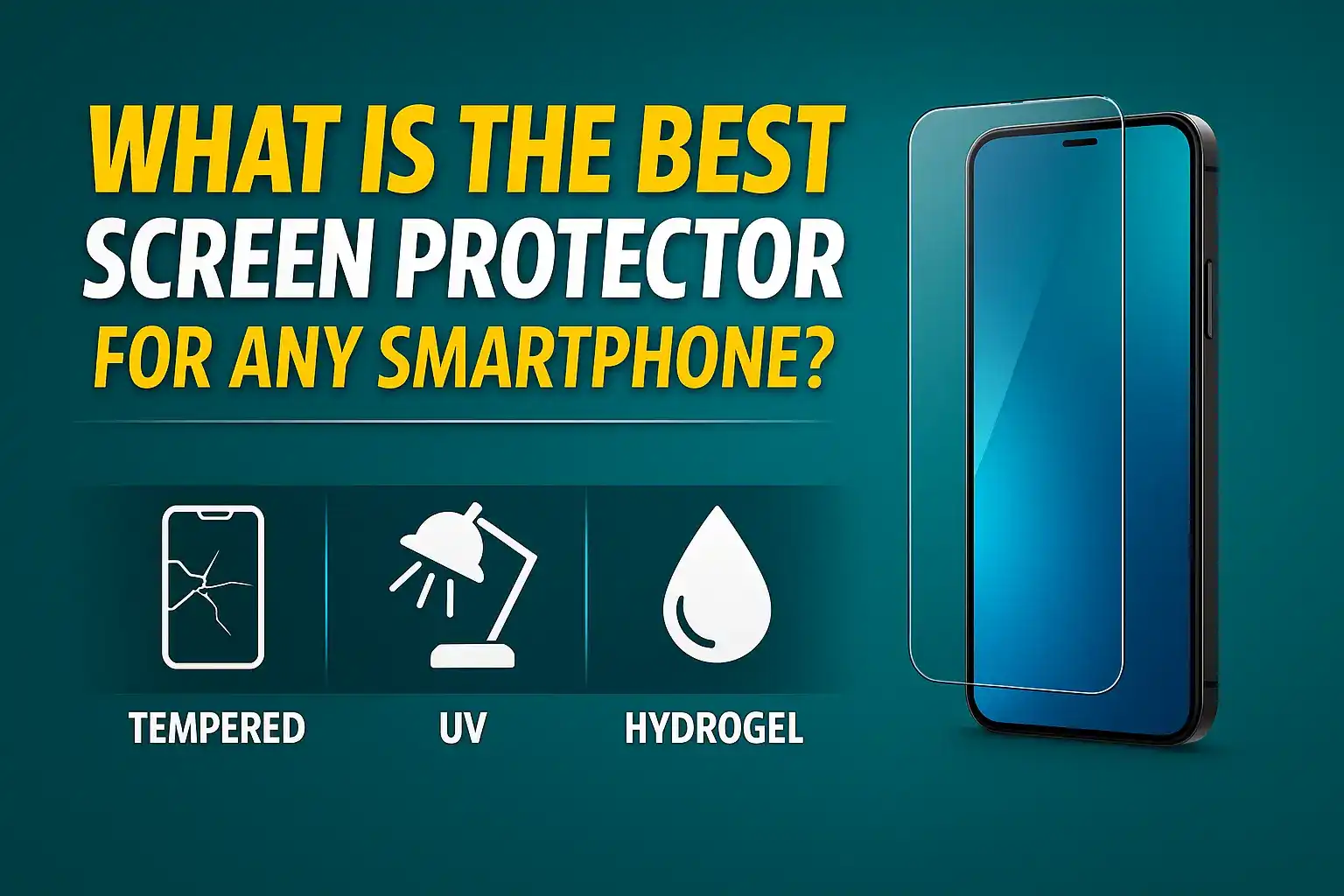
What Is the Best Screen Protector for Any Smartphone?
By Zenkor •
Introduction
Your smartphone display is one of the most expensive parts of your device. Whether it's a budget phone or a flagship model, protecting the screen from scratches, drops, dust and everyday wear is essential. So the natural question becomes: What is the best screen protector for any smartphone?
The simple answer is: There is no one-size-fits-all protector, but there are protector types that work best in specific situations. Below, we explain each type, their pros and cons, and which one you should choose based on your phone and usage.
1. Tempered Glass Protector (Best Overall Protection)
Tempered glass is the most common and widely recommended screen protector. It is made through a special heating and cooling process that gives it strength and hardness.
Why Tempered Glass Is Great
- High Scratch Resistance: Can resist everyday scratches from keys, coins, dust and rough surfaces.
- Strong Impact Protection: Absorbs shock from drops and helps prevent cracks on the actual phone display.
- Clear & Smooth: Maintains original screen clarity and touch feel.
- Easy to Replace: If it gets damaged, just remove and replace.
Limitations
- On curved displays, normal flat tempered glass may not stick perfectly at the edges.
- If low-quality, may lift or bubble at edges.
2. UV Tempered Glass (Best for Curved Displays)
UV tempered glass uses liquid UV glue and a curing lamp to ensure the glue fills every curve and edge of the screen.
Advantages
- Full-edge adhesion: Sticks strongly without edge lifting.
- Excellent clarity: No loss in brightness or colour.
- Strong protection: Good against drops and heavy use.
Considerations
- Installation takes more care and tools.
- A small learning curve for beginners.
3. Hydrogel Film (Best for Scratch Protection & Curves)
Hydrogel or soft film protectors are made of flexible material that wraps around curves easily. They are not glass but a soft film with adhesive.
Advantages
- Flexible & smooth: Works well on curved edges without gaps.
- Self-healing: Minor scratches can fade over time.
- Thin & unobtrusive: Transparent and almost invisible.
Limitations
- Not as strong as tempered glass against drops.
- Scratches more easily than glass.
4. Privacy Screen Protector (Best for Privacy)
Privacy protectors reduce side visibility so people beside you cannot see your screen content easily.
Advantages
- Privacy protection: Blocks side viewing angles.
- Still decent scratch protection.
Limitations
- Slight dimming of brightness due to privacy filter.
- In-display fingerprint sensors may not work as well.
- Not the best for gamers or brightness-focused users.
5. PET Film Protector (Budget Scratch Protection)
PET film is a thin plastic sheet that offers basic scratch resistance at very low cost.
Advantages
- Very cheap.
- Better than no protection at all.
Limitations
- Almost no impact protection.
- Lower clarity and touch feel compared to glass.
Comparison Summary
| Protector Type | Best For | Protection Level | Clarity | Ease of Install |
|---|---|---|---|---|
| Tempered Glass | Flat screens | ⭐⭐⭐⭐ | ⭐⭐⭐⭐⭐ | ⭐⭐⭐⭐ |
| UV Tempered Glass | Curved screens | ⭐⭐⭐⭐⭐ | ⭐⭐⭐⭐⭐ | ⭐⭐⭐ |
| Hydrogel Film | Curves & light scratches | ⭐⭐⭐ | ⭐⭐⭐⭐ | ⭐⭐⭐⭐⭐ |
| Privacy Protector | Privacy needs | ⭐⭐⭐ | ⭐⭐⭐ | ⭐⭐⭐⭐ |
| PET Film | Budget scratch | ⭐⭐ | ⭐⭐⭐⭐ | ⭐⭐⭐⭐⭐ |
Important Tips to Choose the Best
- Always choose protector type based on your phone’s screen shape (flat vs curved).
- Check if the protector supports your in-display fingerprint sensor (for glass).
- Look for HD clarity and oleophobic coating to prevent smudges.
- Use installation tools (wet wipes, dust stickers, guide stickers) for best results.
- For long-lasting protection, full-adhesive or UV tempered glass is usually the best choice.
Conclusion
The “best” screen protector depends on your phone type and usage. If you want **maximum protection and clarity**, tempered glass or UV tempered glass is the best choice. If you have a curved display and want scratch protection with better edge coverage, hydrogel can be a good alternative. Privacy protectors fit specific needs, while thin PET films are only useful for basic scratch protection.
In simple terms: For everyday use and long life, a good tempered glass or UV tempered glass protector is the best screen protector type for most smartphones.
Add comment